Pick-up Service

Evening Poem in March by Steinunn Sigurdardóttir.
English
English
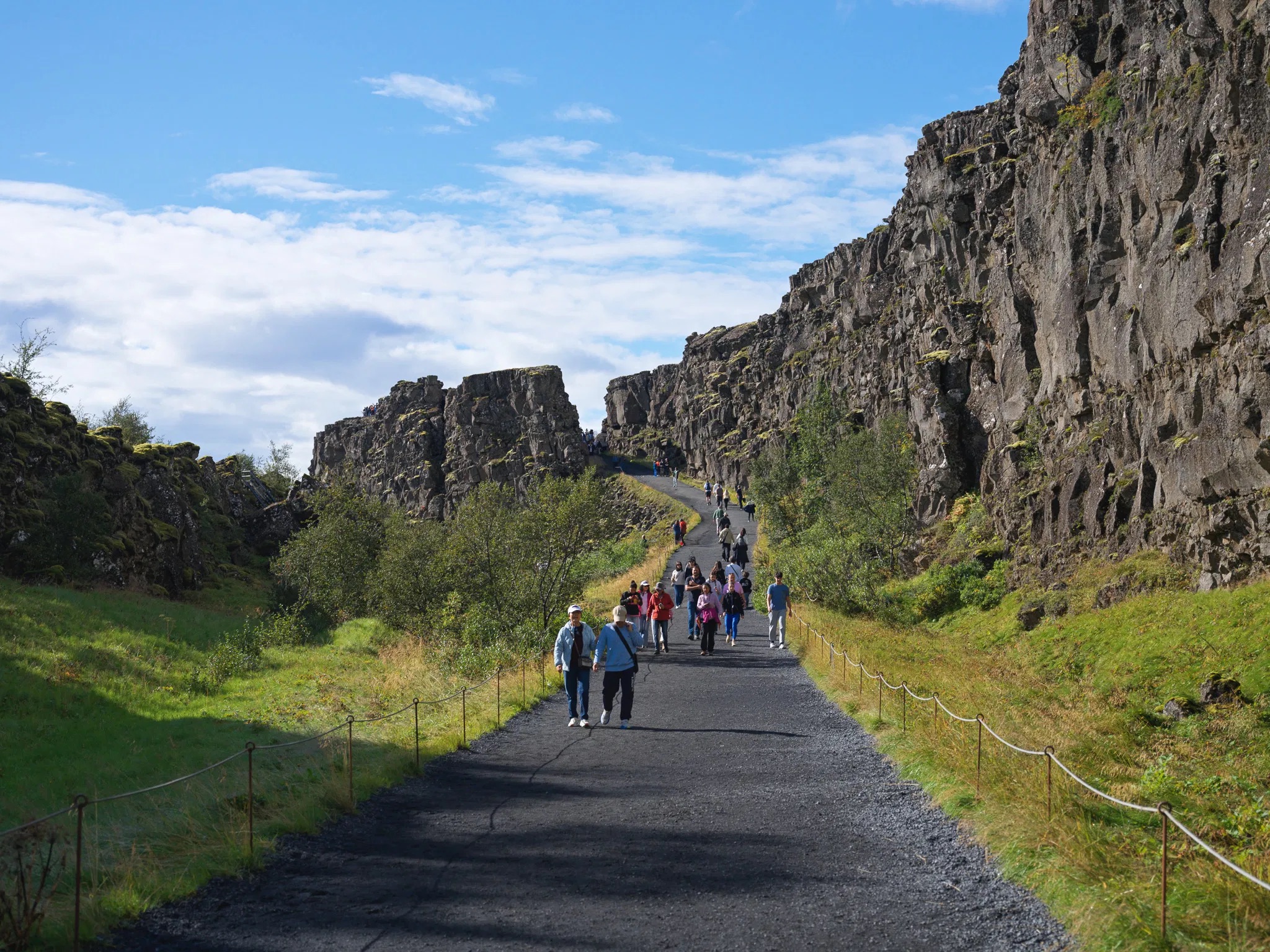
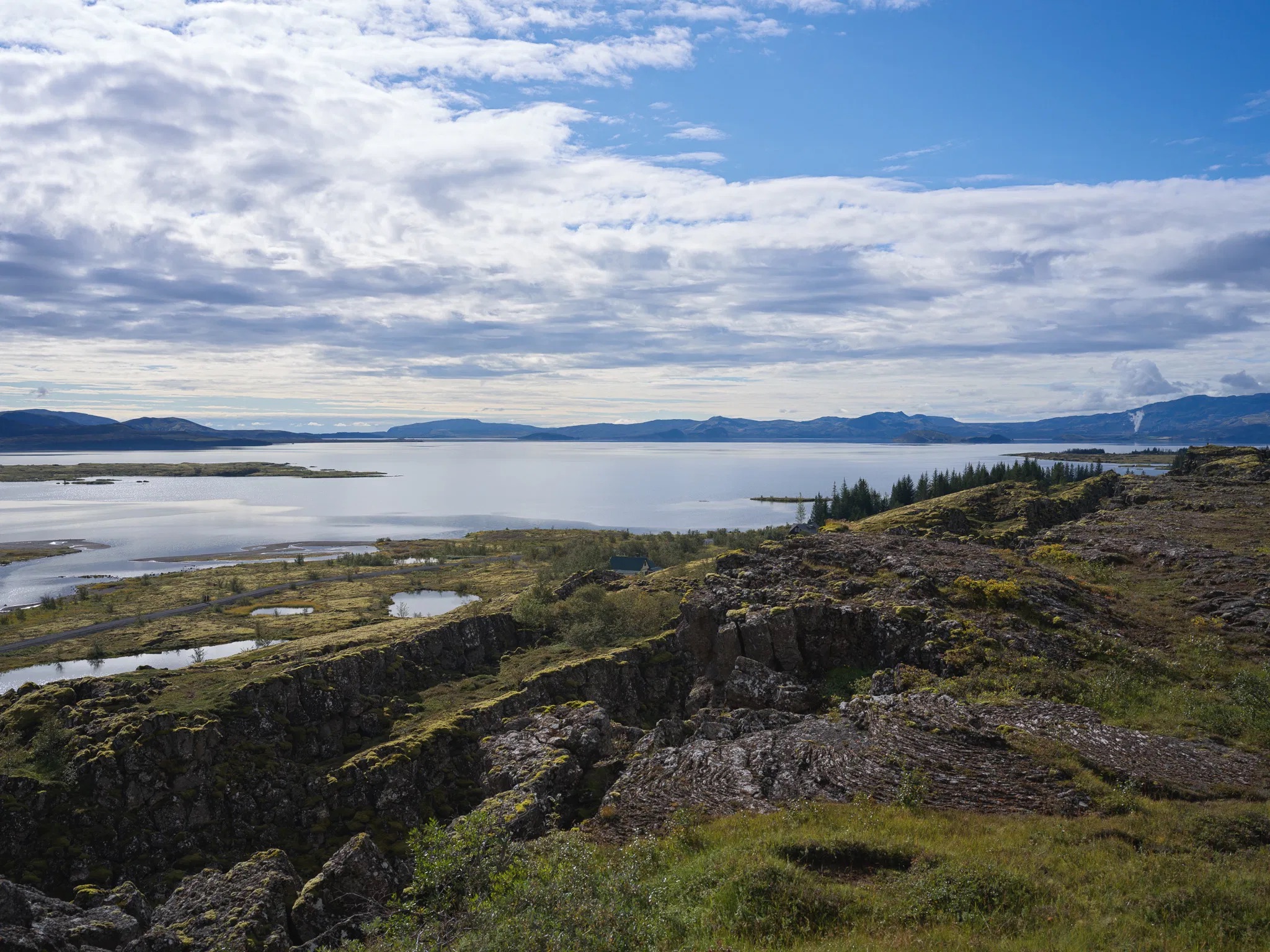
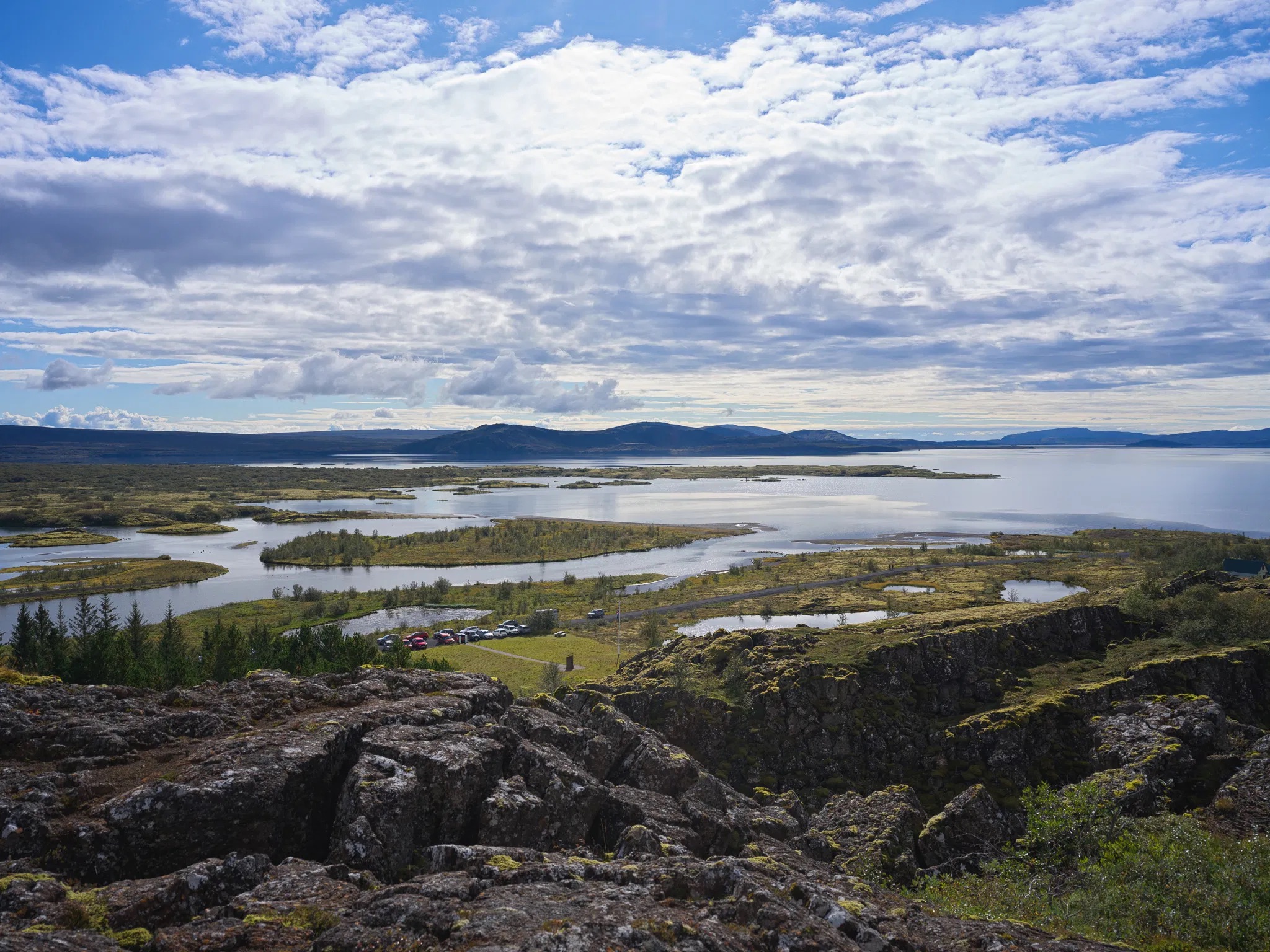
See Iceland’s most iconic route on a small group tour from Reykjavík — maximum 8 people, one expert local guide, and no 50-person bus in sight. Þingvellir National Park, the erupting Geysir, the power of Gullfoss, and the Kerið crater: all in a single day, at a pace that lets you actually take it in.
Important Notes
Safety Information
A UNESCO World Heritage Site, Thingvellir National Park is a historically and geologically significant location. It is one of the few places in the world where the North American and Eurasian tectonic plates are visibly drifting apart, forming a striking rift valley. Additionally, it is the site of Alþingi, Iceland’s parliament, founded in 930 AD, making it one of the world’s oldest parliamentary institutions. Visitors can walk through scenic trails and witness the dramatic geological formations shaped by millennia of tectonic movement.
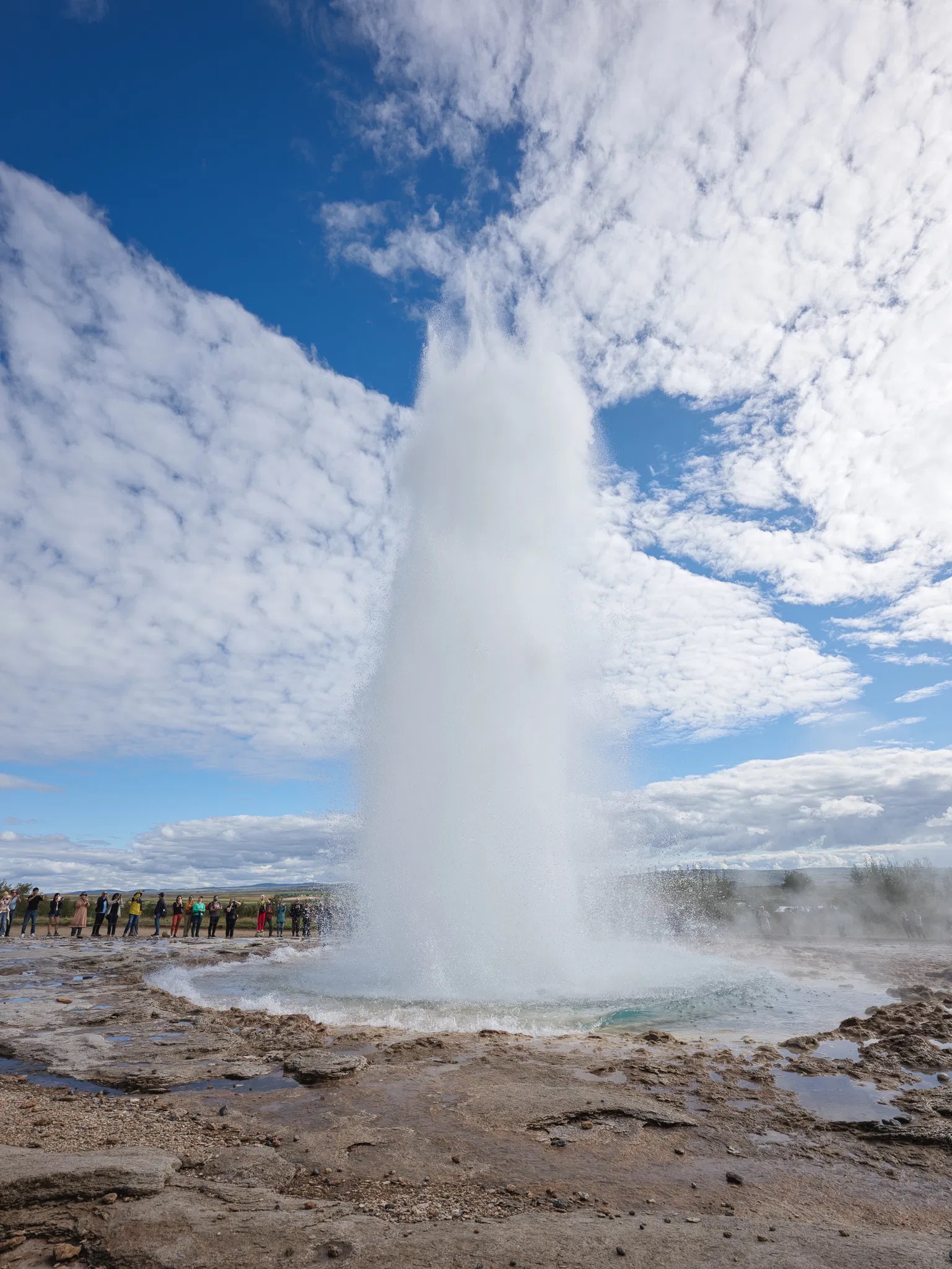
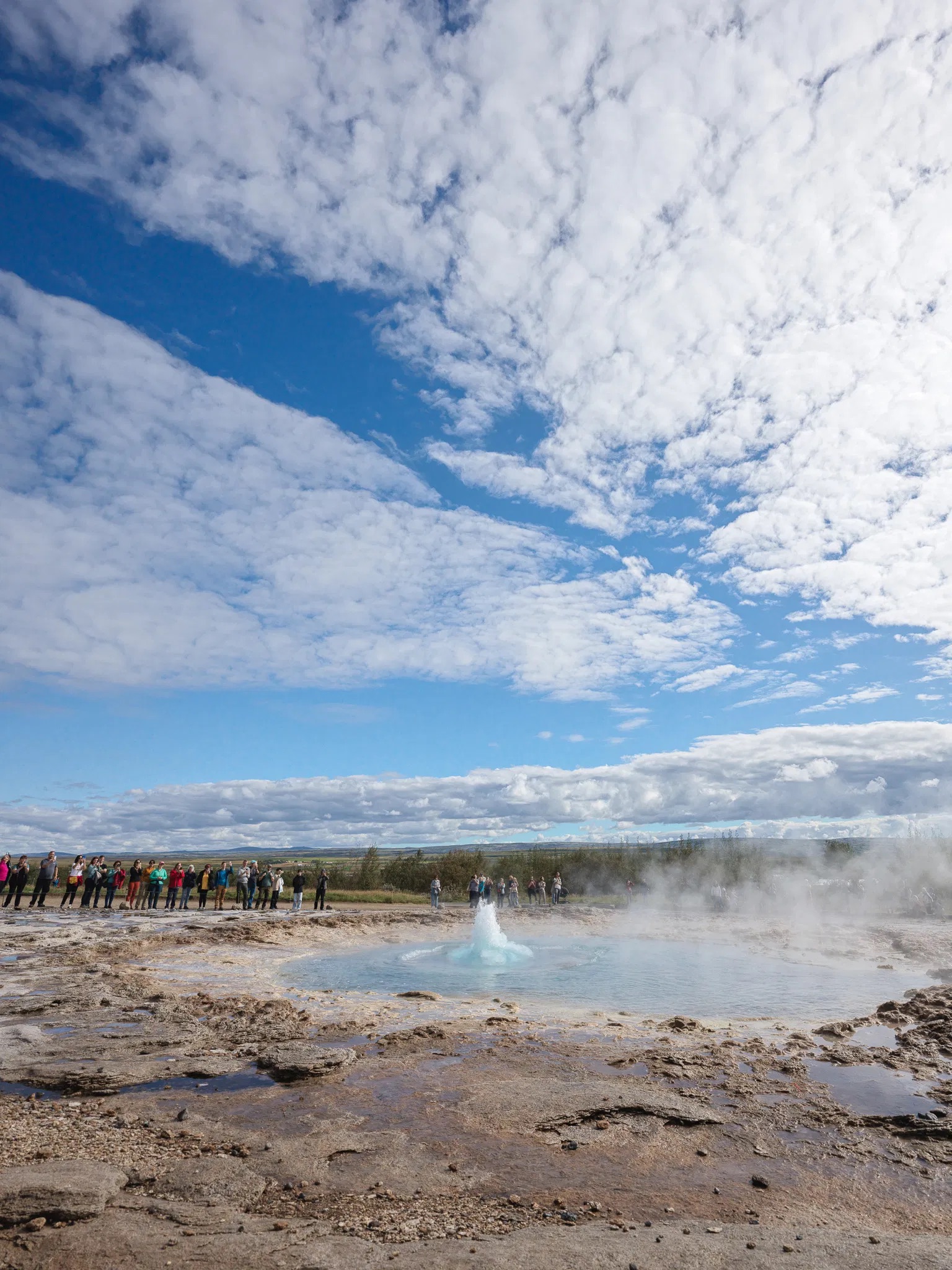
The Geysir geothermal field is home to Strokkur, one of Iceland’s most active geysers, which erupts every 5 to 10 minutes, shooting a water column 20–30 meters (65–100 feet) into the air. The area also features steaming hot springs, bubbling mud pools, and fumaroles, demonstrating the powerful geothermal activity beneath Iceland’s surface.
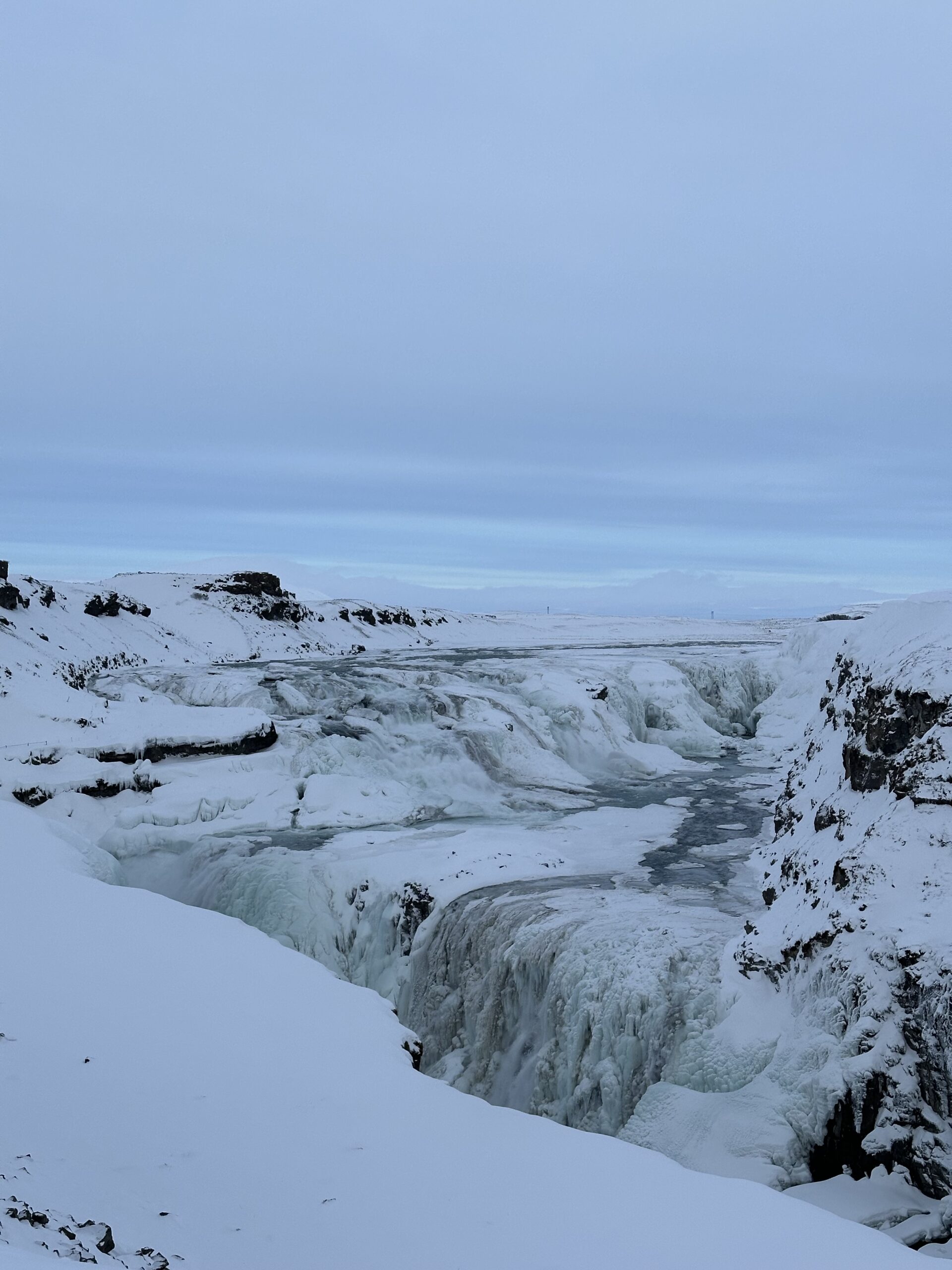
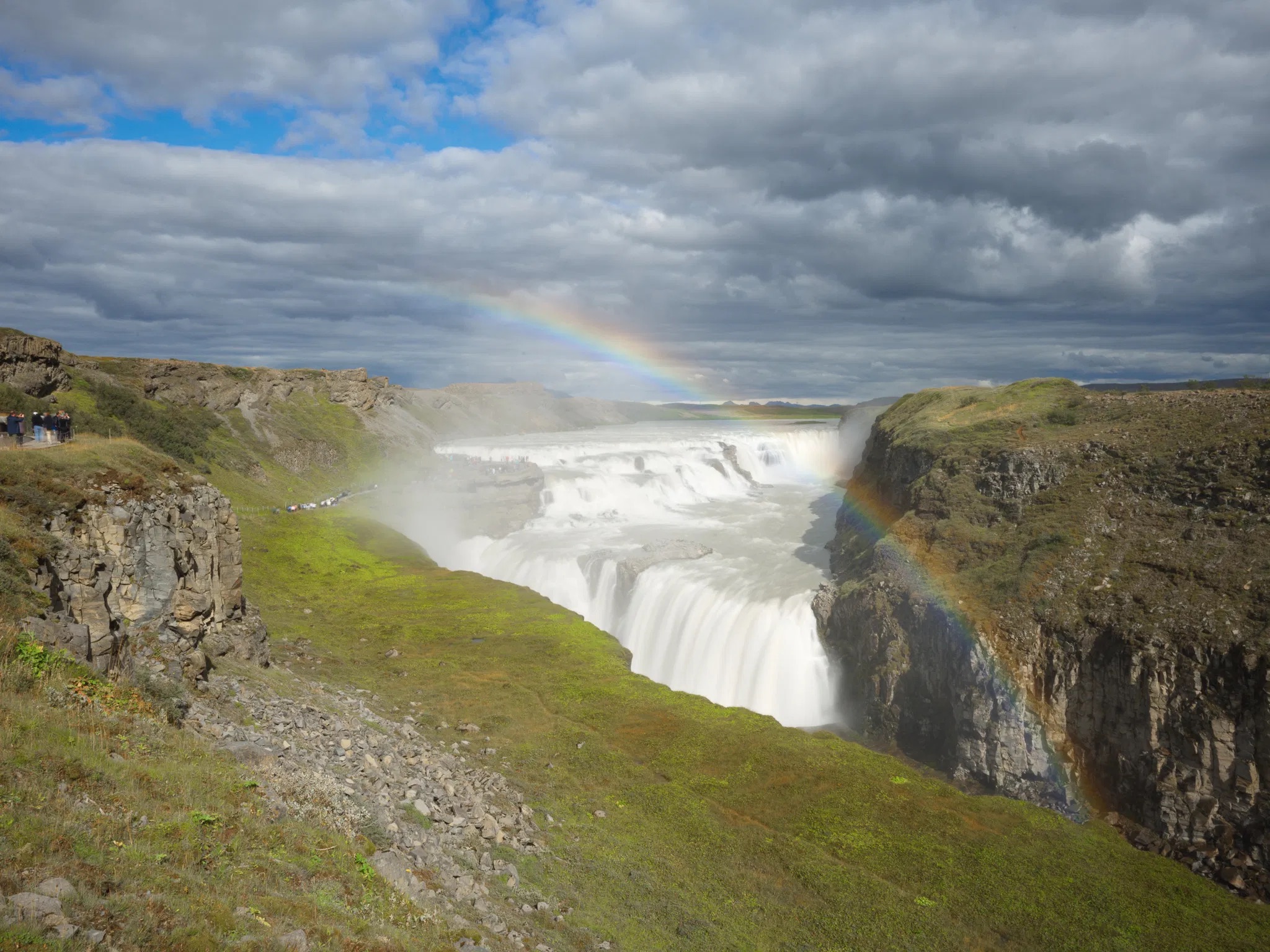
One of Iceland’s most famous waterfalls, Gullfoss cascades in two dramatic tiers with a total drop of 32 meters (105 feet), fed by meltwater from the Langjökull glacier. During winter, parts of the waterfall may freeze, creating a spectacular ice formation, while on sunny days, a rainbow often forms in the mist, enhancing its natural beauty. Multiple viewpoints allow visitors to experience the sheer force and grandeur of the waterfall.
Kerið is the northernmost of four volcanic craters situated along an 800-meter fissure known as Tjarnarhólar. Formed through explosive volcanic activity, it is elliptical in shape, measuring approximately 55 meters (180 feet) deep, 170 meters (560 feet) wide, and 270 meters (890 feet) across. The crater walls consist of solidified basalt and scoria, remnants of ancient lava cooling processes. Estimates of its formation vary between 6,420 to 9,000 years ago.
Visitors can walk along the rim of the crater for panoramic views or descend to the crater lake for a closer look at its striking blue-green water contrasting with the surrounding red volcanic rock.